Makhana Buyer Summary
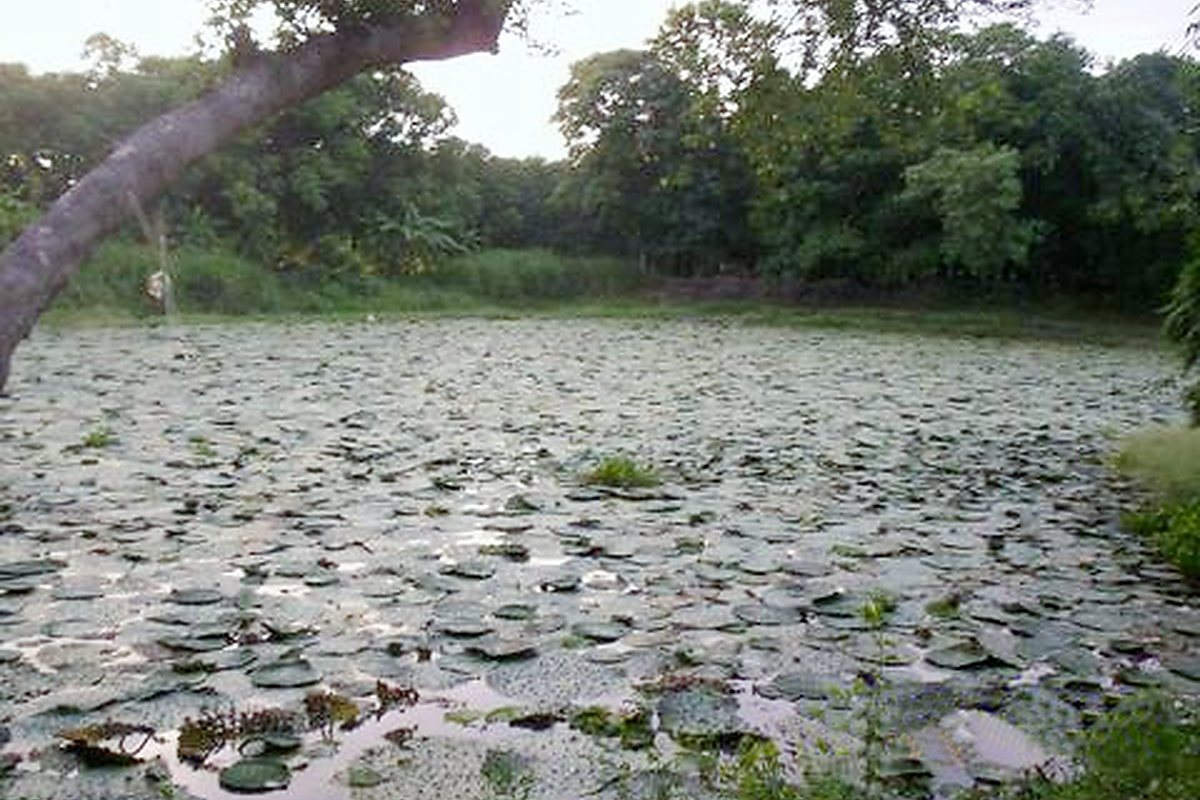
Makhana Yield Per Acre explains the cultivation or origin question behind makhana supply. The source material links production strongly to India's the Indian makhana belt and Kosi regions, with pond-based, field-based and integrated systems all appearing in the evidence base. For importers, the practical issue is not farm romance; it is seasonal availability, production region-level aggregation, seed handling and the reliability of the processor who turns raw seed into exportable popped makhana.
What Importers Should Know
The strongest market dashboard in the pack is the APEDA/Crisil September 2025 makhana dashboard. It reports India as the dominant production base and separates 2025 partial-year data from completed 2024 export data. Where older or lower-tier files give slightly different share claims, this content uses ranges and named-source wording instead of a single unsupported absolute.
Importer Buying Relevance
- confirm the exact product form, grade and millimetre range before comparing quotes.
- ask for moisture, broken percentage, colour and foreign-matter tolerance where quality matters.
- separate source-backed historical data from current commercial price or regulation.
Detailed Buyer Guidance
Origin is important because makhana supply is concentrated and seasonal. The source pack repeatedly points to India, especially north India clusters, as the dominant production geography. That concentration can be a strength when aggregation, processing and expertise are organised well, but it can also create availability and price pressure when crop, labour or processing conditions change.
Importers should therefore ask origin questions in a practical way. The useful questions are production region or aggregation area, crop-season context, processing partner, lot identity and how the lot moved from raw seed to popped product. A beautiful origin story is not enough unless it connects to grade consistency, moisture control, packaging and export documentation.
Specification Notes
- Product form: raw seed, popped makhana, roasted snack, flavoured pack, flour, powder or ingredient.
- Grade and size: Suta reference plus millimetre range where relevant.
- Quality tolerance: moisture, colour, broken percentage, foreign matter and lot consistency.
- Packing: bulk carton, inner liner, retail pack, private-label pack or buyer-specific format.
- Trade details: quantity, destination, Incoterm, inspection need and target shipment window.
Practical Reference Table
| Point | What to check | Buyer relevance |
|---|---|---|
| Term | What it means | Why a buyer should care |
| Foxnut | Common English trade name for popped makhana | Useful in international product naming |
| Makhana | Indian commercial name linked to Euryale ferox | Common in Indian sourcing and documents |
| Popped makhana | Finished edible form after processing | The usual exportable snack or ingredient base |
| Source-backed claim | A claim tied to a named local source | Protects trust and avoids inflated SEO copy |
Procurement Questions
- What exact product form and grade is being quoted?
- Which origin or aggregation area is relevant for this lot?
- Does the sample represent the shipment lot or only a reference sample?
- Which quality parameters will be written into the offer?
- What packing configuration protects the product during transit and storage?
- Which documents, tests and inspections are included, optional or buyer-paid?
Common Mistakes To Avoid
- Comparing offers without matching grade, size range, packing and inspection assumptions.
- Treating historical market data as a live quote.
- Accepting broad words such as premium or export quality without measurable tolerances.
- Leaving moisture, broken percentage and foreign matter out of the specification.
Buyer FAQ
Is makhana yield per acre a current-price page?
No. Any price or market reference is historical or source-period specific unless a buyer requests a fresh quotation.
Can this page prove a supplier is certified?
No. Certification, factory ownership, organic status and shipment capacity must be verified for each supplier and lot.
Which source should be trusted if numbers differ?
Prefer official or institutional sources first, preserve the reporting period and explain conflicts instead of hiding them.
What should a buyer do next?
Send a specification-led RFQ with product form, grade, quantity, destination, packaging and testing requirements.